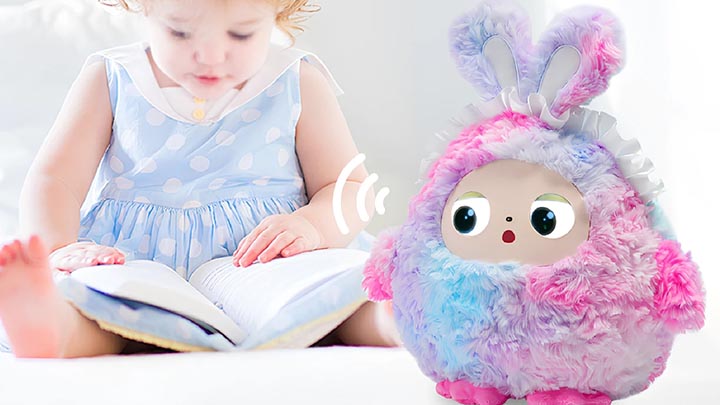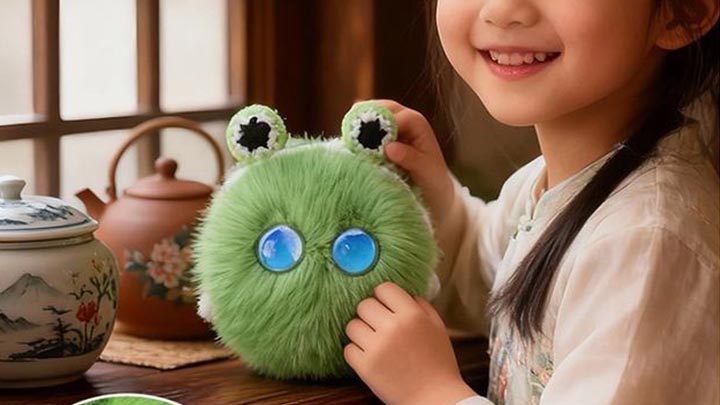





What Can AI Smart Plush Toys Do? A Deep Dive into Their Key Features
For generations, plush toys have been a child’s first friend – a soft, silent companion for cuddles and secrets. But the age of artificial intelligence is turning these traditional stuffed animals into interactive, responsive, and surprisingly intelligent playmates. AI smart plush toys blend the emotional comfort of a teddy bear with the capabilities of a voice assistant, a storytelling device, and even a learning companion. So, what exactly can these huggable robots do? Below are the most common and innovative functions found in today’s AI‑powered plush toys.
1. Natural Language Conversation
The most defining feature of an AI plush toy is its ability to hold genuine conversations. Unlike simple record‑and‑playback toys, smart plushies use speech recognition and natural language processing (NLP) to understand what a child says and respond appropriately.
- Open‑ended dialogue: Children can ask questions like “Why is the sky blue?” or “Tell me a joke,” and the toy will generate relevant answers, often drawing from cloud‑based AI models (with parental controls).
- Context awareness: High‑end models remember previous chats. For example, if a child says “My friend was mean to me today,” the toy might recall that friend’s name later and ask, “Have you made up with Jamie?”
- Multilingual support: Many smart plush toys can switch between languages, helping children learn new vocabulary in a natural, playful way.
This conversational ability turns the plush from a passive object into an active listener and talker, which can be especially comforting for only children or those who need a safe space to express feelings.
2. Emotional Recognition and Response
Emotional intelligence is a growing frontier in AI plush toys. Using tiny cameras (discreetly hidden in the toy’s eyes or nose) or voice tone analysis, the toy can gauge a child’s mood.
- Mood detection: If a child speaks in a sad or angry tone, the toy may respond with gentle, soothing words: “It’s okay to feel upset. I’m here for you.”
- Happy and excited reactions: When the child laughs or speaks energetically, the toy might celebrate, sing a happy song, or flash its LED cheeks.
- Physical cues: Some toys have embedded sensors that detect how the child is holding them – a tight hug might trigger a purring or heartbeat sound, while gentle rocking could prompt lullabies.
This function is particularly valuable for social‑emotional learning (SEL), helping children identify and regulate their emotions through interaction with a non‑judgmental friend.
3. Touch and Motion Sensitivity
Unlike hard plastic robots, smart plush toys rely heavily on tactile interaction. They are embedded with various sensors that make them react to physical touch.
- Petting/patting sensors: Stroking the toy’s back or head may produce a happy giggle or a soft “That feels nice.”
- Squeeze detection: A firm squeeze might trigger a playful complaint or a request for a gentler hug.
- Lift and shake sensing: Accelerometers inside can detect when the toy is picked up, thrown (gently), or rocked to sleep. For example, shaking might produce a dizzy sound effect.
These touch responses create a feedback loop that makes the toy feel “alive” and encourages nurturing behavior from the child.
4. Sleep Assistance and Nighttime Comfort
One of the most practical applications of AI plush toys is helping children wind down at bedtime. Many models are designed specifically as sleep companions.
- Guided breathing exercises: The toy’s chest may slowly rise and fall (via a small mechanical actuator) to mimic breathing, encouraging the child to sync their own breathing for relaxation.
- White noise and lullabies: A library of soothing sounds, from rain to ocean waves to classic lullabies, can be voice‑activated or scheduled via an app.
- Storytelling with timer: Parents can set the toy to tell a 5‑, 10‑, or 15‑minute story, after which it automatically fades into a soft nightlight and silence.
- Wake‑up light simulation: In the morning, some toys gradually brighten their LED heart or cheeks to mimic sunrise, waking the child gently instead of with a jarring alarm.
Because these toys are soft and huggable, children are more likely to keep them in bed compared to a hard‑shell smart speaker.
5. Educational Content and Adaptive Learning
Beyond conversation, AI plush toys can act as personalized tutors. They adapt to the child’s age and learning pace.
- Math and spelling games: The toy might say, “Let’s count the stars on my tummy!” or “What rhymes with ‘cat’?” If the child gets an answer wrong, it provides hints rather than just saying “incorrect.”
- Memory and personalization: Some toys remember the child’s name, birthday, favorite animal, and past lessons. For example, “Last week you learned the word ‘butterfly’. Do you remember it?”
- Curriculum alignment: Higher‑end toys (often paired with a parent app) align with preschool or early elementary learning standards, covering letters, numbers, shapes, and basic science facts.
The key advantage over screen‑based learning is that the plush toy offers a tactile, screen‑free experience that reduces eye strain and encourages verbal interaction.
6. Parental Controls and Companion App
Almost all AI smart plush toys come with a smartphone app for parents. This app is the control center.
- Content filtering: Parents can set age‑appropriate boundaries on topics (e.g., no scary stories, limit jokes about violence).
- Conversation logs: Many apps allow parents to review anonymized transcripts of the child’s chats with the toy, helping them monitor emotional well‑being.
- Custom voice and messages: Some premium toys let parents record their own voice, so the toy can read bedtime stories or deliver reminders (“Brush your teeth!”) in Mom’s or Dad’s voice even when they are away.
- Time limits and quiet mode: Parents can schedule “nap mode” where the toy only responds to touch, not speech, or automatically powers down during school hours.
This transparency addresses privacy concerns – a major issue with any connected toy.
7. Physical Animations and Expressions
Because they are plush, AI toys cannot walk or dance like robot counterparts, but they still have subtle physical animations.
- LED facial expressions: Simple eyes (heart shapes, stars, blinking) or color‑changing cheeks convey happiness, surprise, sleepiness, or sadness.
- Vibration and sound: A gentle buzz can simulate purring or a heartbeat. Small speakers hidden inside produce high‑quality voice and sound effects without being harsh.
- Ear or limb movement: A few advanced models use soft actuators to make ears flop or arms wave, but most keep motion minimal to preserve the plush feel and safety.
These animations, combined with voice, create a convincing illusion of life without the complexity of hard robotics.
8. No‑WiFi Offline Modes
Given that parents worry about internet dependency, many smart plush toys offer core functions offline.
- Basic conversation: A built‑in library of hundreds of pre‑loaded phrases and responses works without WiFi.
- Touch‑based reactions: Patting, squeezing, and rocking continue to trigger sounds and lights.
- Offline stories: Downloaded content (via the app while connected) can be played later without an internet connection.
This ensures the toy remains useful during travel or in homes with limited connectivity, and it reduces privacy risks.
9. Long‑Term Companionship (Growing with the Child)
Unlike a static toy, AI plushies can evolve. Through over‑the‑air firmware updates, manufacturers add new features, stories, and responses over months or years. Some toys even have a “personality evolution” feature – the way the child interacts (gentle vs. rough, talkative vs. quiet) subtly changes the toy’s default tone and phrase choices. This creates a unique bond and prevents the toy from becoming boring too quickly.
Important Limitations to Keep in Mind
While AI plush toys are impressive, they are not perfect. Battery life is often limited (4–8 hours of active use). Their microphones and cameras raise legitimate privacy concerns – always choose reputable brands that store data locally or with clear encryption policies. Also, these toys are not therapeutic devices; they cannot replace professional mental health support for a distressed child.
Final Thoughts
The modern AI smart plush toy is far more than a stuffed animal with a battery pack. It is a conversational partner, an emotional mirror, a bedtime storyteller, and a gentle teacher – all wrapped in fabric that begs to be hugged. From recognizing a child’s sadness to helping them learn the ABCs, these functions turn passive cuddles into active engagement. When chosen carefully with privacy and age‑appropriate features in mind, an AI plush toy can become a beloved companion that grows alongside a child, offering comfort and curiosity in equal measure. Whether for a toddler afraid of the dark or a kindergartener learning to read, the right smart plushie can make the invisible world of AI feel warm, safe, and wonderfully fuzzy.